
NIEUWS DEELNEMERS

28/08/2026
NOSBAUM REDING - NEW OPENING
Nosbaum Reding | Projects is pleased to invite you to the opening of a solo exhibition: I’m Too Young To Die, by Gilles Pegel.
I’m Too Young To Die brings together mostly new productions alongside selected earlier works, tracing recurring concerns within Gilles Pegel’s practice.
Digital technologies, artificial intelligence, financial markets, logistics, online culture, branding and automation appear throughout the exhibition as parts of an increasingly interconnected reality. Moving between sculpture, installation, painting, textiles, neon and mixed media, the works shift in material and form according to what each one demands.
Popular culture is present throughout. References to gaming, fashion, advertising and digital culture offer familiar points of entry into broader questions around value, identity, consumption and the systems shaping everyday life.
The title I’m Too Young To Die borrows the iconic difficulty setting from DOOM, but its meaning extends beyond gaming. It speaks to something much more universal: our awareness of mortality and, in the context of an artistic practice, the urge to make sense of the time we are living in. The works become bookmarks of that process, fixing a thought or observation before the world, and our understanding of it, moves on.
Humour is often the first point of contact, but beneath it lies an attempt to understand an increasingly complex present and the place we occupy within it.
On view
17 September – 17 Ocotober, 2026
Opening
17 September, 6 PM, in presence of the artist
Gallery Nosbaum Reding
2 + 4, rue Wiltheim
L-2733 Luxembourg
I’m Too Young To Die brings together mostly new productions alongside selected earlier works, tracing recurring concerns within Gilles Pegel’s practice.
Digital technologies, artificial intelligence, financial markets, logistics, online culture, branding and automation appear throughout the exhibition as parts of an increasingly interconnected reality. Moving between sculpture, installation, painting, textiles, neon and mixed media, the works shift in material and form according to what each one demands.
Popular culture is present throughout. References to gaming, fashion, advertising and digital culture offer familiar points of entry into broader questions around value, identity, consumption and the systems shaping everyday life.
The title I’m Too Young To Die borrows the iconic difficulty setting from DOOM, but its meaning extends beyond gaming. It speaks to something much more universal: our awareness of mortality and, in the context of an artistic practice, the urge to make sense of the time we are living in. The works become bookmarks of that process, fixing a thought or observation before the world, and our understanding of it, moves on.
Humour is often the first point of contact, but beneath it lies an attempt to understand an increasingly complex present and the place we occupy within it.
On view
17 September – 17 Ocotober, 2026
Opening
17 September, 6 PM, in presence of the artist
Gallery Nosbaum Reding
2 + 4, rue Wiltheim
L-2733 Luxembourg


31/07/2026
ALMINE RECH - Leonora Carrington's upcoming solo exhibition
Almine Rech is pleased to announce Leonora Carrington’s first solo exhibition with the gallery, opening in Paris in September 2026.
Organised in collaboration with the Consejo Leonora Carrington and rossogranada, the exhibition will bring together the wide range of mediums the artist explored throughout her career, including drawings, paintings, sculptures, tapestry, and writings.
The exhibition offers an opportunity to discover the breadth and diversity of Carrington’s artistic practice, spanning works on paper, painting, sculpture, textile and literature.
LEONORA CARRINGTON
September 8 – October 10, 2026
64 rue de Turenne, Paris
Opening Reception:
Tuesday, September 8, 6 to 8 pm
Organised in collaboration with the Consejo Leonora Carrington and rossogranada, the exhibition will bring together the wide range of mediums the artist explored throughout her career, including drawings, paintings, sculptures, tapestry, and writings.
The exhibition offers an opportunity to discover the breadth and diversity of Carrington’s artistic practice, spanning works on paper, painting, sculpture, textile and literature.
LEONORA CARRINGTON
September 8 – October 10, 2026
64 rue de Turenne, Paris
Opening Reception:
Tuesday, September 8, 6 to 8 pm

29/07/2026
DE BROCK NEW OPENING - Shape of Color
De Brock is pleased to present Shape of Color, a group show including work by Bernard Frize, Imi Knoebel, Robert Mangold and Landon Metz.
On view
1 - 30 August 2026
Reception
8 August, 5 - 8 PM
De Brock Gallery.
Zeedijk 758
Knokke, Belgium
On view
1 - 30 August 2026
Reception
8 August, 5 - 8 PM
De Brock Gallery.
Zeedijk 758
Knokke, Belgium

28/07/2026
Edouard Simoens Gallery - New Opening
Edouard Simoens Gallery is pleased to announce its new exhibition: Raoul De Keyser - Years in the Open Air.
Edouard Simoens Gallery
Zeedijk 811
8300 Knokke-Zoute
Edouard Simoens Gallery
Zeedijk 811
8300 Knokke-Zoute

22/07/2026
BOON GALLERY - Summer exhibition
The Boon Gallery is happy to present Masters of Art, a summer exhibition taking place at its gallery in Knokke from 24 July to 23 August 2026.
Bringing together 30 exceptional works by some of the most celebrated artists of the 20th and 21st centuries, the exhibition features masterpieces by Jean Dubuffet, James Ensor, Barry Flanagan, Henri Matisse, René Magritte, Pierre Soulages, and many more.
Boon Gallery, Kustlaan 197, B-8300 Knokke, Belgium
Bringing together 30 exceptional works by some of the most celebrated artists of the 20th and 21st centuries, the exhibition features masterpieces by Jean Dubuffet, James Ensor, Barry Flanagan, Henri Matisse, René Magritte, Pierre Soulages, and many more.
Boon Gallery, Kustlaan 197, B-8300 Knokke, Belgium

25/06/2026
AXEL VERVOORDT - SUMMER PROGRAMME
As summer unfolds, Axel Vervoordt Gallery is pleased to invite you to discover its programme before annual summer closure.
Axel Vervoordt Gallery will be open until Saturday, 18 July. The galleries at Kanaal will reopen on Friday, 7 August. Axel Vervoordt Gallery Hong Kong will reopen on Tuesday, August 4.
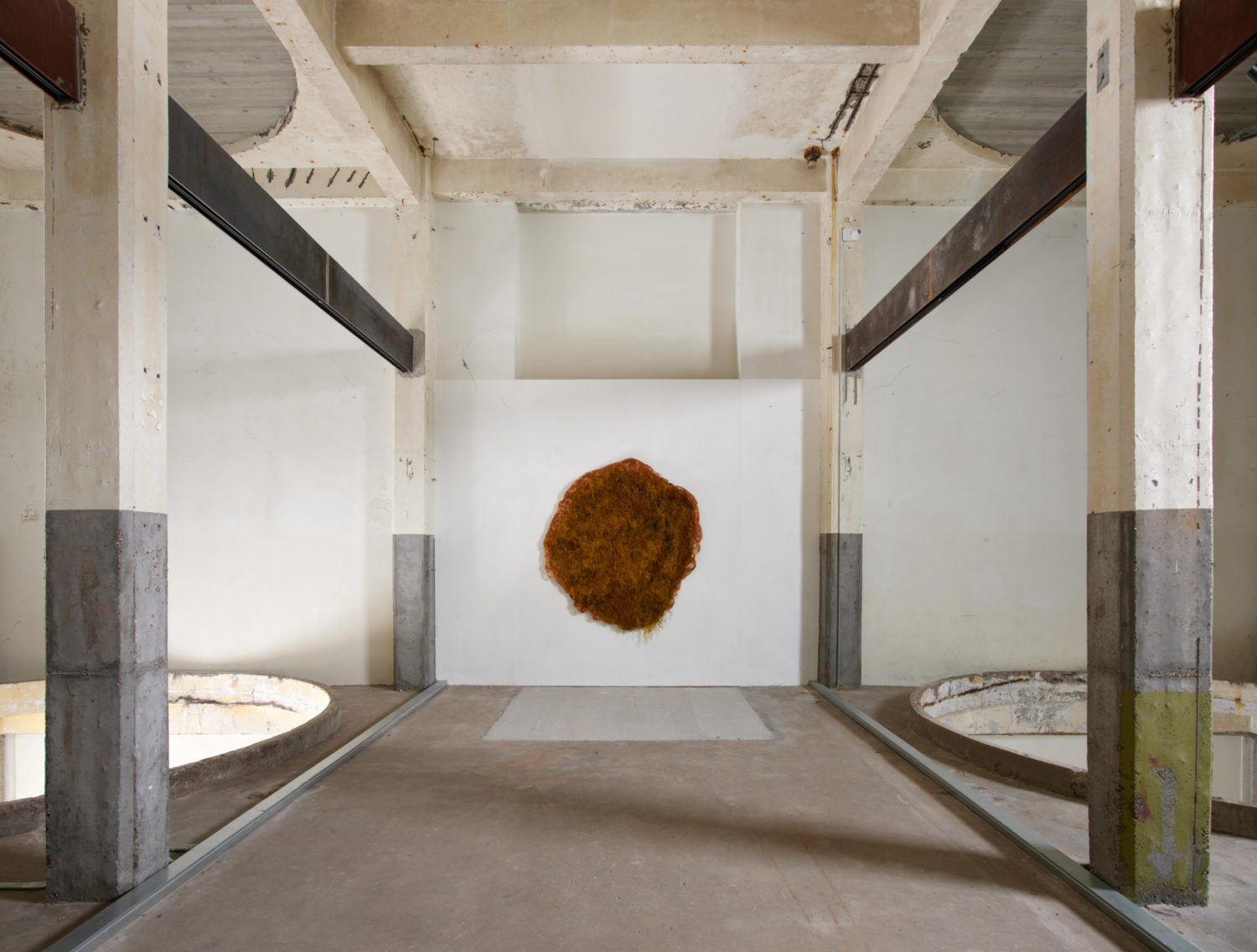
Several exhibitions are currently on view, bringing together solo and group presentations that explore material memory, transformation, gesture, and presence.
Sopheap Pich
Works
Until August 29, 2026
Kanaal
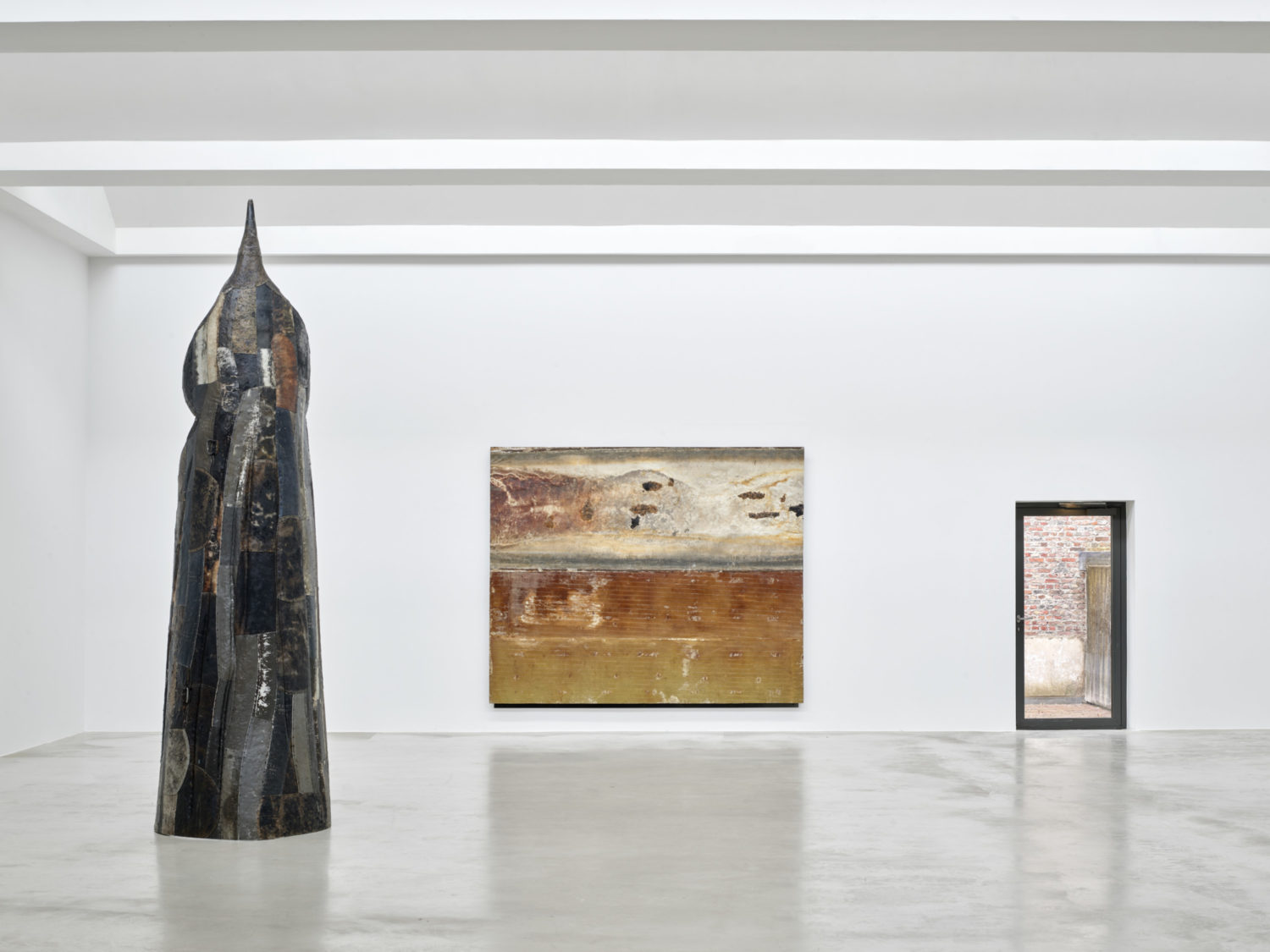
The first solo exhibition in Belgium by Cambodian artist Sopheap Pich presents a new body of work rooted in material, process, and the relationship between form and experience.
Human Traces: Presence, Absence, and Material Memory
Until August 29, 2026
Kanaal
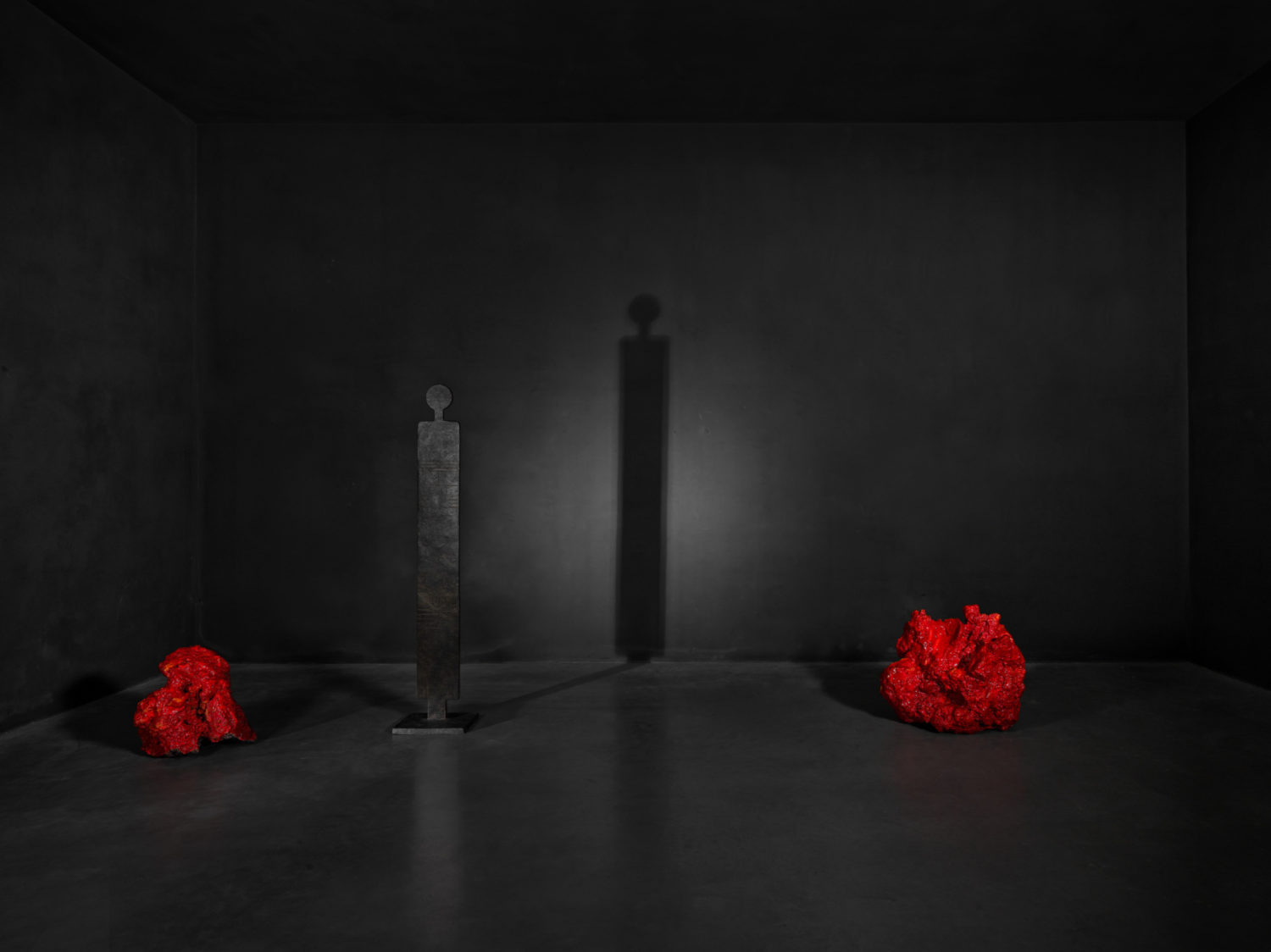
The exhibition reflects on the traces of human presence through space, form, and material, and features artworks by Ida Barbarigo, William Turnbull, El Anatsui, Sadaharu Horio, and Bosco Sodi.
Threads of Being: Textiles, Time and Transformation
Until September 19, 2026
Kanaal
Bringing together eight artists, this exhibition considers textile-related logics, threading, layering, stitching, and interlacing, as frameworks through which time, memory, and presence are articulated.
Axel Vervoordt Gallery
Kanaal
Stokerijstraat 19
2110 Wijnegem
Axel Vervoordt Gallery Hong Kong
21F, Coda Designer Centre
62, Wong Chuk Hang Road
Entrance via Yip Fat Street
(next to Ovolo Hotel)
Hong Kong
Axel Vervoordt Gallery will be open until Saturday, 18 July. The galleries at Kanaal will reopen on Friday, 7 August. Axel Vervoordt Gallery Hong Kong will reopen on Tuesday, August 4.
Several exhibitions are currently on view, bringing together solo and group presentations that explore material memory, transformation, gesture, and presence.
Sopheap Pich
Works
Until August 29, 2026
Kanaal
The first solo exhibition in Belgium by Cambodian artist Sopheap Pich presents a new body of work rooted in material, process, and the relationship between form and experience.
Human Traces: Presence, Absence, and Material Memory
Until August 29, 2026
Kanaal
The exhibition reflects on the traces of human presence through space, form, and material, and features artworks by Ida Barbarigo, William Turnbull, El Anatsui, Sadaharu Horio, and Bosco Sodi.
Threads of Being: Textiles, Time and Transformation
Until September 19, 2026
Kanaal
Bringing together eight artists, this exhibition considers textile-related logics, threading, layering, stitching, and interlacing, as frameworks through which time, memory, and presence are articulated.
Axel Vervoordt Gallery
Kanaal
Stokerijstraat 19
2110 Wijnegem
Axel Vervoordt Gallery Hong Kong
21F, Coda Designer Centre
62, Wong Chuk Hang Road
Entrance via Yip Fat Street
(next to Ovolo Hotel)
Hong Kong

25/06/2026
BRUN FINE ART - SUMMER EXHIBITION
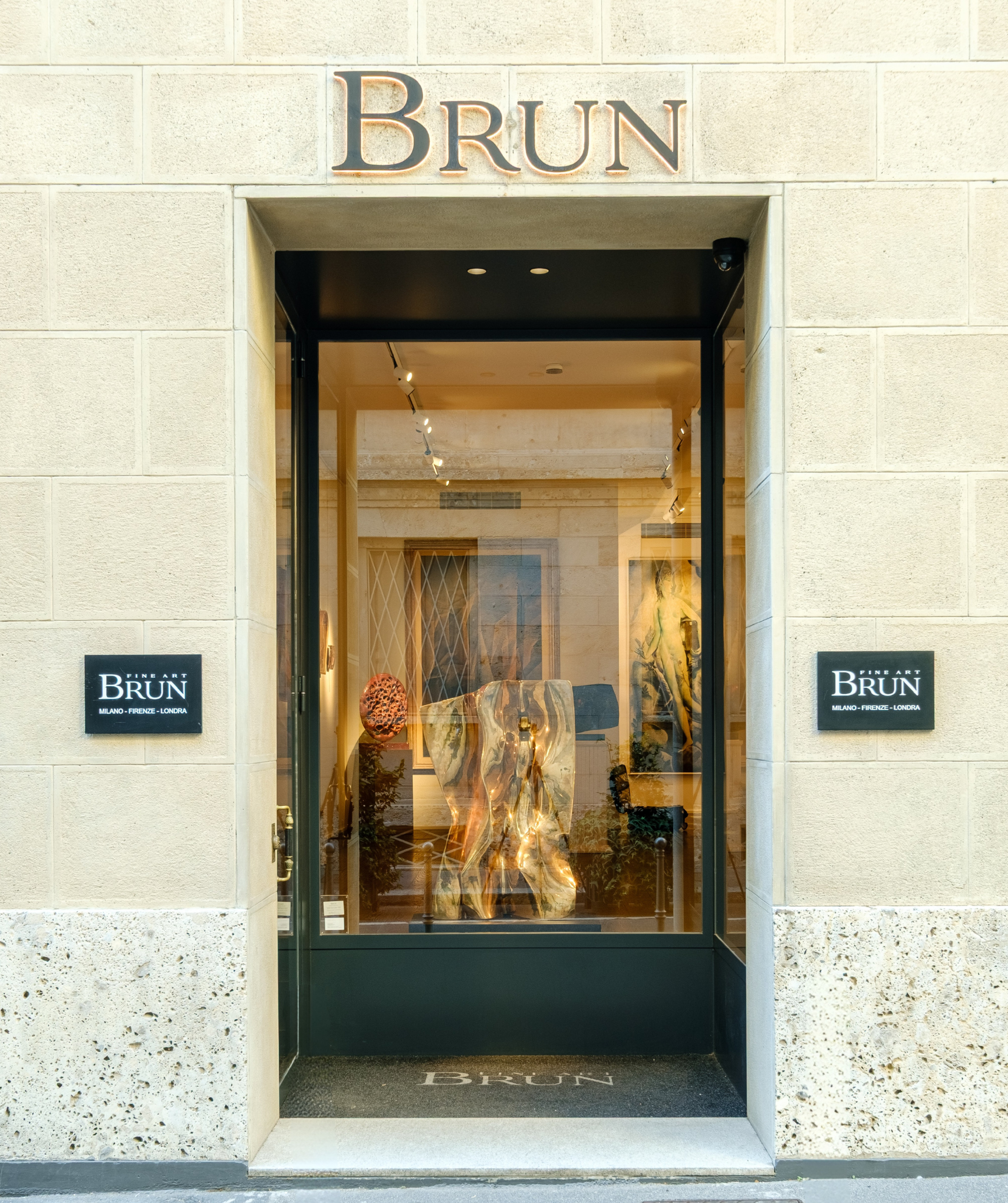
Brun Fine Art is happy to present its Summer exhibition: L’oro e l'infinito
The exhibition brings together works created across distant centuries yet united by a shared aspiration: the search for what lies beyond the visible.
The gold-ground paintings, produced between the second half of the 14th century and the 15th century by masters such as Luca di Tommè, Francesco di Michele, Álvaro Pirez d’Évora, and Tommaso de Vigilia, represent one of the highest achievements of Italian painting between the Late Gothic and the Early Renaissance periods. In these works, gold is not merely a decorative element; it creates a space suspended between matter and transcendence, projecting the image beyond the earthly realm.
Centuries later, artists such as Piero Dorazio, Corrado Cagli, Lucio Fontana, Roberto Crippa, Mario Schifano, Michelangelo Pistoletto, Mirko Basaldella, Georges Mathieu, Gio Ponti, Gio Pomodoro, and Giorgio de Chirico engage, through diverse visual languages, with universal themes such as space, light, mystery, and presence. This dialogue is further enriched by the work of ABI, a contemporary brand that employs stone as a material of memory, translating its historical stratification into essential forms.
The comparison is grounded neither in stylistic affinities nor in a contrast between the ancient and the contemporary. Rather, it reveals a continuity of thought: the desire to transcend the limits of representation and materiality in order to give form to the indefinable.
Between the preciousness of gold, the strength of stone, and the essentiality of modern visual language, the exhibition unfolds as a journey spanning more than six centuries of art history, demonstrating how the pursuit of the absolute continues to renew itself across time.
Artists Featured in the Exhibition:
ABI
Alex Katz
Álvaro Pirez d’Évora
Corrado Cagli
Fausto Melotti
Francesco di Michele
Georges Mathieu
Gianfranco Meggiato
Gio Pomodoro
Gio Ponti
Giorgio de Chirico
Luca di Tommè
Lucio Fontana
Mario Schifano
Mariotto di Cristofano
Michelangelo Pistoletto
Michele di Matteo
Mirko Basaldella
Piero Dorazio
Roberto Crippa
Rosario Pulvirenti
Tommaso de Vigilia
Tommaso del Mazza
Brun Fine Art
Via Gesù 17, Milan
Tuesday – Saturday
10:30 AM – 1:00 PM | 2:00 PM – 7:00 PM
The exhibition will be on view through August
The exhibition brings together works created across distant centuries yet united by a shared aspiration: the search for what lies beyond the visible.
The gold-ground paintings, produced between the second half of the 14th century and the 15th century by masters such as Luca di Tommè, Francesco di Michele, Álvaro Pirez d’Évora, and Tommaso de Vigilia, represent one of the highest achievements of Italian painting between the Late Gothic and the Early Renaissance periods. In these works, gold is not merely a decorative element; it creates a space suspended between matter and transcendence, projecting the image beyond the earthly realm.
Centuries later, artists such as Piero Dorazio, Corrado Cagli, Lucio Fontana, Roberto Crippa, Mario Schifano, Michelangelo Pistoletto, Mirko Basaldella, Georges Mathieu, Gio Ponti, Gio Pomodoro, and Giorgio de Chirico engage, through diverse visual languages, with universal themes such as space, light, mystery, and presence. This dialogue is further enriched by the work of ABI, a contemporary brand that employs stone as a material of memory, translating its historical stratification into essential forms.
The comparison is grounded neither in stylistic affinities nor in a contrast between the ancient and the contemporary. Rather, it reveals a continuity of thought: the desire to transcend the limits of representation and materiality in order to give form to the indefinable.
Between the preciousness of gold, the strength of stone, and the essentiality of modern visual language, the exhibition unfolds as a journey spanning more than six centuries of art history, demonstrating how the pursuit of the absolute continues to renew itself across time.
Artists Featured in the Exhibition:
ABI
Alex Katz
Álvaro Pirez d’Évora
Corrado Cagli
Fausto Melotti
Francesco di Michele
Georges Mathieu
Gianfranco Meggiato
Gio Pomodoro
Gio Ponti
Giorgio de Chirico
Luca di Tommè
Lucio Fontana
Mario Schifano
Mariotto di Cristofano
Michelangelo Pistoletto
Michele di Matteo
Mirko Basaldella
Piero Dorazio
Roberto Crippa
Rosario Pulvirenti
Tommaso de Vigilia
Tommaso del Mazza
Brun Fine Art
Via Gesù 17, Milan
Tuesday – Saturday
10:30 AM – 1:00 PM | 2:00 PM – 7:00 PM
The exhibition will be on view through August

26/05/2026
Patrick Derom Gallery. Léon Spilliaert Through Half-Open Doors
Exhibition on view from 3 June to 14 August 2026
About 40 masterworks by Léon Spilliaert (Ostend 1881 - Brussels 1946) of interiors, still lifes, and self-portrait will be exhibited at the gallery. A climate of silence reigns in Spilliaert’s rooms and interiors, devoid of human presence. He captures the immutability of objects such as bottles and flasks, seashells, a pair of discarded gloves while these objects take on a life of their own.
Exhibition curated by Anne Adriaens-Pannier and Edouard Derom
www.patrickderomgallery.com
Léon Spilliaert, Interior with Green Lampshade December 1907, private collection.